
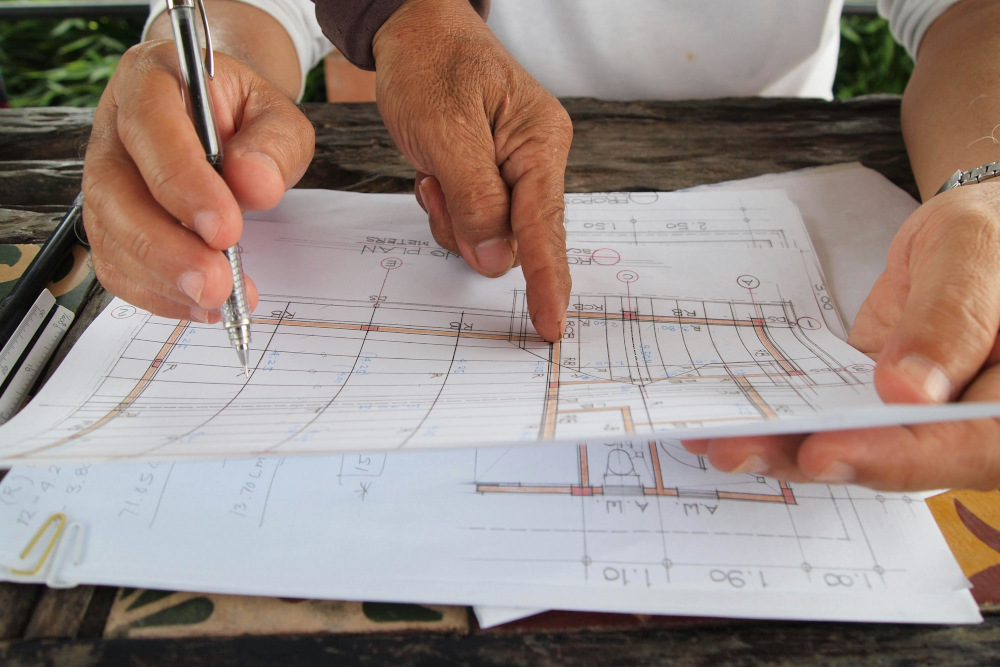
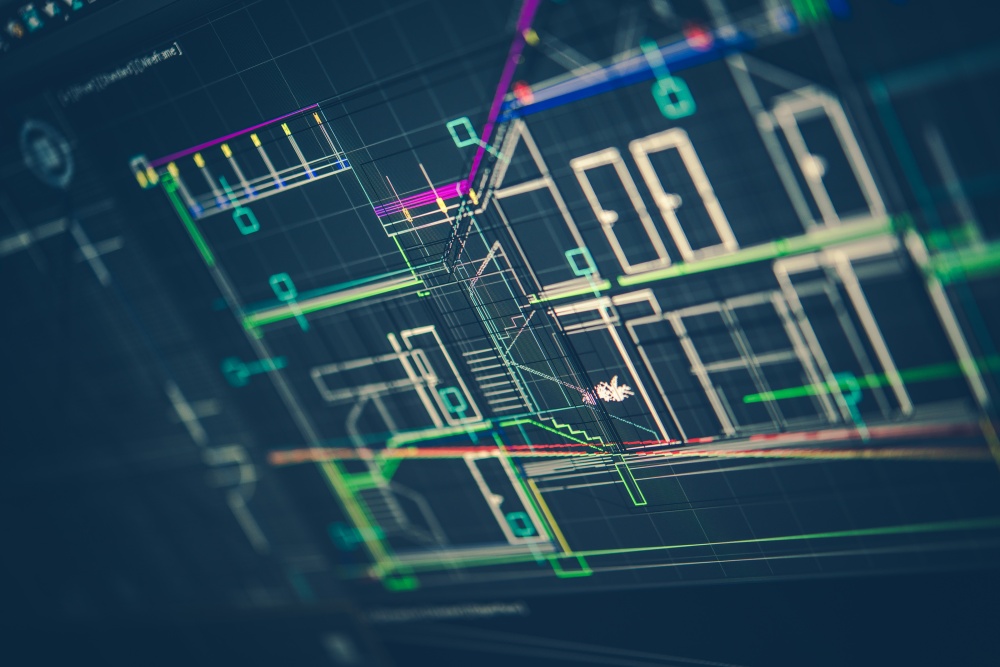

Since 2010, the Singapore Building and Construction Authority (BCA) has recognized BIM’s potential in enhancing productivity and efficiency. That’s why they have strategically championed BIM implementation through well-defined initiatives. One of them is the BIM Roadmap—a strategic initiative that will help drive widespread BIM adoption throughout Singapore’s Architecture, Engineering, and Construction (AEC) sector.
Today, BIM is more than just a design tool; it’s a holistic project management approach that’s reshaping how businesses design, construct, and operate buildings and infrastructure. With the country’s push for Integrated Digital Delivery (IDD), Singapore aims to empower its AEC workforce with technologies, such as BIM. This is to foster greater collaboration, increased productivity, and innovation throughout the project lifecycle.
Additionally, key public sector organisations, including the HDB, JTC, DSTA, and BCA, have established standards to support the seamless and consistent adoption of digital technologies. One such standard is the Common Data Environment (CDE) Standard, which provides a unified framework to guide BIM implementation across projects.
As BIM continues to evolve to meet the dynamic needs of the construction industry, it is essential for businesses to stay ahead of the curve. Embracing emerging BIM practices today can unlock long-term value and position organisations for future-ready project delivery.
BIM’s Influence Across the Project Lifecycle
Before exploring BIM’s potential progress in the AEC industry, it’s important to understand how it has contributed to the project lifecycle so far:
- Conceptual Design: BIM enables architects and designers to explore various design alternatives in a virtual environment, enhancing their understanding of aesthetics and spatial relationships.
- Detailed Design and Documentation: This tool streamlines the generation of construction drawings and specifications, ensuring accuracy and consistency across all project documents.
- Clash Detection and Coordination: It integrates models from different disciplines (e.g., architectural, structural, MEP, etc.) to identify and resolve clashes early in the design process, significantly reducing costly on-site conflicts.
- Facility Management and Maintenance: BIM provides valuable information for effective facility management throughout a building’s lifecycle, including crucial data on building systems, materials, and maintenance requirements.
- Construction and Project Management: BIM enhances construction and project management by providing tools for efficient scheduling, resource allocation, progress tracking, and site management, ultimately reducing delays. Furthermore, BIM is instrumental in enabling efficient off-site manufacturing and on-site assembly techniques, such as Prefabricated Prefinished Volumetric Construction (PPVC), by supplying the crucial digital information required.
What the Future Has in Store for BIM in the AEC Industry
As the AEC sector in Singapore continues to evolve, BIM’s technology is continuously upgraded to meet its demands. For professionals working in the AEC industry, learning about these emerging features and trends is important to stay ahead:
1. Elevating Design and Planning
BIM has enabled the creation of accurate and highly detailed building models, empowering architects and engineers to make better design choices and improve project planning. Today, this capability is being further advanced through the integration of Virtual Reality (VR), Augmented Reality (AR), and Extended Reality (XR) technologies.
Through VR, AR, and XR, architects, designers, and stakeholders can conduct immersive design reviews, experiencing spaces at a true-to-scale 1:1 ratio. This immersive perspective makes it easier to detect issues related to ergonomics, spatial conflicts, and overall design, factors that are often missed in traditional 2D drawings or standard 3D models.
By enabling early experiential feedback, VR, AR, and XR contribute to more human-centered, functional, and constructible designs, ultimately reducing rework and improving overall project outcomes.
2. Fostering Collaboration and Communication
With features such as centralized 3D models, CDEs, and integrated communication tools, BIM has allowed stakeholders to access the same up-to-date project data. This, in turn, has made it easier for teams to visualize the design, track changes, and communicate effectively within the model.
To further strengthen collaboration, modern BIM platforms have transitioned to cloud-centric infrastructures. Cloud-based BIM enables real-time data sharing, remote access to models, and seamless collaboration across geographically dispersed teams. This ensures that stakeholders can provide input, flag issues, and make decisions more efficiently, regardless of their physical location. The cloud also supports version control, audit trails, and centralized documentation, helping project teams stay aligned throughout the design, construction, and operations phases.
3. Boosting efficiency
Recently, the use of AI algorithms has further enhanced clash detection, design reviews, and simulations in BIM. By analyzing project data, identifying patterns, and making predictions, AI-enabled BIM can pinpoint potential issues before construction begins, such as spatial conflicts between building systems, design flaws that affect constructability or performance, and potential safety hazards.
By addressing such issues early through data-driven analysis, project teams can reduce the likelihood of costly rework, avoid schedule delays, and stay within budget. AI not only enhances decision-making but also allows stakeholders to plan and build with greater confidence and efficiency, potentially leading to smarter, safer, and more streamlined project delivery.
4. Enhancing Safety
BIM allows for the detailed visualization of construction processes, including the sequencing of tasks and the movement of equipment. This enables the identification of potential safety hazards such as collision risks, falls from height, and unsafe access routes before work begins. Through these virtual simulations, GCs can optimize site layouts, plan safer lifting operations, and ensure adequate clearances for personnel and machinery.
Furthermore, BIM models can incorporate safety equipment locations (e.g., fire extinguishers and emergency exits) and facilitate safety training through virtual walkthroughs. This can lead to safer work environments and a significant reduction in accidents and associated costs.
5. Enhancing Quality Control
Digital modeling enables simulations and virtual tests to ensure buildings are constructed to the highest quality standards prior to physical construction. This includes clash detection to identify and resolve interferences between different building systems (e.g., structural elements and MEP services), ensuring accurate assembly and preventing costly rework on-site.
Virtual tests can also assess aspects like structural integrity under various loads, energy efficiency performance based on material properties and design, and accessibility compliance. Through this, BIM helps ensure buildings meet all design specifications, performance requirements, and regulatory mandates.
6. Optimizing Asset Management
BIM optimizes asset management by embedding detailed information about building components directly within the digital model. This includes specifications, installation dates, maintenance schedules, warranty details, and replacement timelines. Having all this rich data enables efficient asset status tracking, proactive maintenance planning, streamlined facility operations, and informed decision-making regarding upgrades or replacements throughout the building’s lifecycle.
7. Improving Cost Control
BIM improves cost control by enabling accurate quantity takeoffs directly from the 3D model, providing precise material estimations. It also facilitates cost planning and analysis through integrated cost management tools, allowing for budget tracking against the evolving design and construction phases.
Additionally, BIM supports value engineering analyses to identify cost-saving opportunities early in the project lifecycle, thereby minimizing the risk of budget overruns.
8. Revolutionizing Marketing
Digital building models like BIM are enabling the creation of realistic visualizations. And thanks to VR, AR, and XR technologies, BIM can even go beyond virtual tours and allow for fully immersive property showcases. For example, AR can overlay digital information onto physical environments, such as showcasing future furniture layouts within a model home using a tablet or headset.
Also, since XR encompasses both VR and AR, it can help create highly engaging and interactive experiences that provide a much deeper understanding and emotional connection to the unbuilt project. This leads to stronger stakeholder buy-in and more effective marketing campaigns.
9. Championing Sustainability
BIM facilitates the analysis of a building’s environmental impact through integrated simulation tools for energy performance, daylighting, and material lifecycle assessment. These features allow designers to quantify energy consumption, carbon emissions, and the environmental footprint of material choices.
Moreover, BIM enables real-time energy analysis linked to sensor data, automated embodied carbon calculations, and generative design for optimized, sustainable solutions. These advancements offer deeper insights and enable proactive decision-making for minimizing environmental impact and achieving sustainability goals.
What is in Store For The AEC Industry?

With all these in mind, the reason why BIM is so important is that it’s not just a tool but part of a fundamental shift in how the AEC sector operates. By embracing BIM, the industry can achieve greater efficiency, sustainability, and collaboration, leading to a future where buildings and infrastructure are designed, constructed, and operated more intelligently.
Successful BIM project completion necessitates adherence to the BCA’s BIM Handover Technical Guide and Sample Clauses. This guide outlines the specific technical requirements and contractual frameworks for delivering BIM models that enable efficient facility management and operations for building owners, ensuring a seamless transition from construction to the operational phase and maximizing the long-term value of the BIM asset.
To help professionals meet these standards, BIMAGE Consulting provides cutting-edge BIM solutions and support. Our consultants work closely with you to seamlessly integrate BIM into your workflows—whether in pre-construction, construction, project management, or final handovers.
We provide tailored insights to help streamline your processes in ways that align with your specific goals, while ensuring compliance with key regulatory standards, including the Common Data Environment (CDE), Model Content Requirements (MCR), and BIM Handover protocols.
We also offer BIM modeling courses in Singapore that are designed to equip AEC professionals with the expertise to effectively implement these BIM handover standards and thrive in this evolving landscape. If you require digital tools for BIM integrations, we are also a certified Autodesk cloud solution reseller in Singapore.
Contact us today to discover how we can help you be a part of the BIM-powered future of the AEC industry.

