
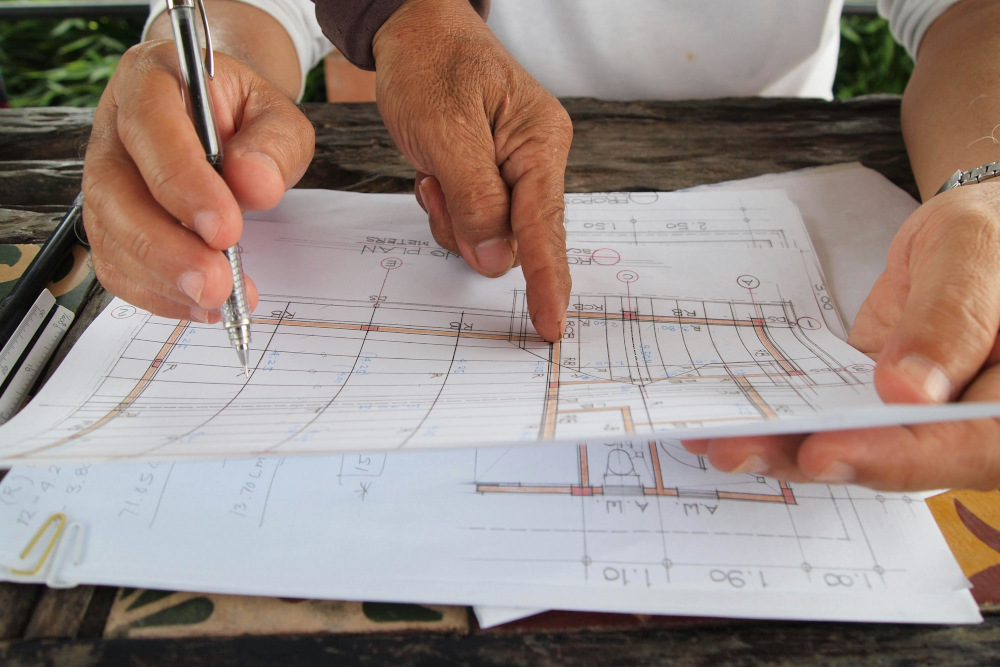
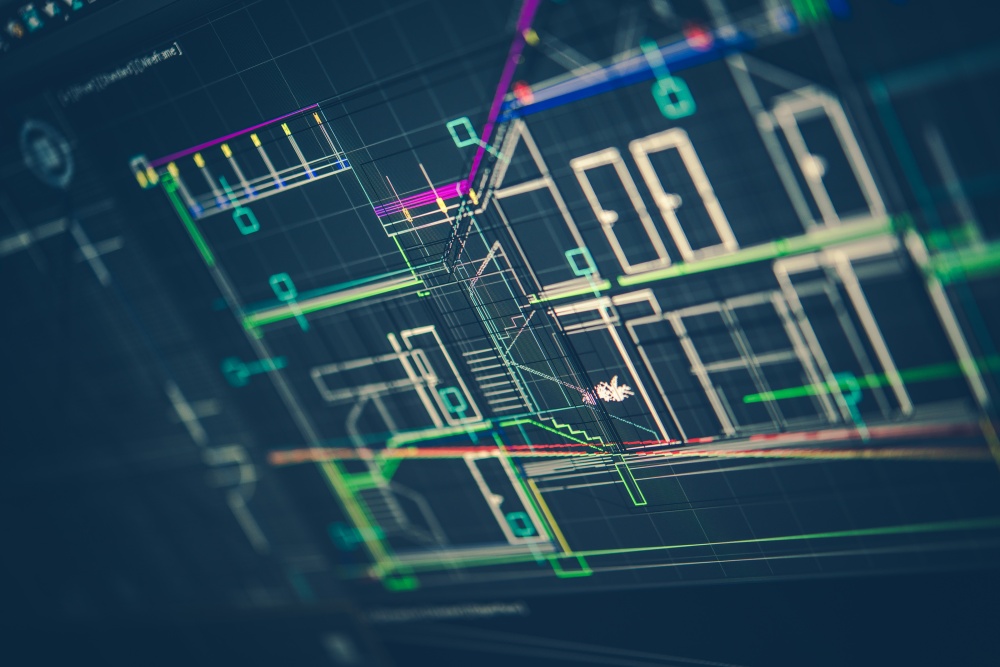

The Architecture, Engineering, and Construction (AEC) sector is undergoing a profound transformation, reshaped fundamentally by the advent of digital tools.
At the forefront of this evolution, Building Information Modeling (BIM) stands as a pivotal catalyst, revolutionizing traditional processes through enhanced efficiency, streamlined collaboration, and superior project outcomes. Given BIM’s accelerating adoption and the increasingly competitive landscape of the construction industry, the strategic imperative of a dedicated professional to expertly oversee these intricate digital processes has shifted from a mere advantage to an absolute necessity.
What Does the BIM Manager Profession Mean?
The BIM Manager holds a pivotal strategic role, orchestrating the seamless implementation of BIM and Digital Construction methodologies across a project’s entire lifecycle – from its initial design conceptualization, through rigorous construction, to the ultimate handover. This crucial position also entails leading and championing the advanced utilization of digital technology to meticulously create, manage, and continuously update sophisticated BIM models within the AEC sector. By precisely overseeing the BIM models deployed, teams gain unparalleled visualization and meticulous planning capabilities, thereby significantly enhancing coordination and refining decision-making across all project facets.
The difference between a BIM Manager and a Project Manager is also a common point of discussion in the AEC industry.
While a Project Manager typically oversees the entire project scope, budget, and schedule, focusing on overall delivery, the BIM Manager focuses on the technical aspects of the project. This role ensures the implementation and manages the quality and consistency of BIM information.
However, it’s important to note that the job description of a BIM Manager will still vary depending on the employer and the nature of the project.
What Does a BIM Manager Do and What Are Their Core Functions?
A BIM manager‘s core duties drive the successful use of digital information throughout a project. These functions are vital for modern construction and design.
Implementing BIM Strategies
- Analyzing current business practices: Identifying areas where BIM can bring improvement.
- Developing a BIM strategy aligned with company goals: Creating project requirements based on company aims.
- Preparing a BIM Execution Plan (BEP): Detailing all BIM steps, including how suppliers will meet project information requirements.
- Developing and implementing BIM standards: Ensuring digital models work together and follow rules.
- Managing BIM teams: May sometimes involve hiring staff.
Overseeing BIM Modeling and Coordination
- Establishing BIM modeling procedures and standards: Setting rules for model creation and maintenance to ensure consistent teamwork.
- Coordinating with all project stakeholders: To keep data updated for better decisions.
- Integrating discipline-specific models: Combining models from different areas into a single federated BIM model for a complete building view.
- Overseeing clash detection: A crucial task to identify conflicts, prevent costly errors, and avoid schedule delays.
Facilitating Collaboration, Communication, and Training
- Facilitating collaboration and improving decision-making: Ensuring clear communication among all project partners.
- Leading progress meetings: Helping choose the best digital tools (e.g., Common Data Environment) for sharing information.
- Training project stakeholders on BIM technology: Upskilling the team to use their tools and improve workflows effectively.
Ensuring BIM Quality Control and Assurance
- Conducting regular quality checks: Ensuring the model meets quality standards and complies with project specifications and legal requirements.
- Devising strategies to resolve any issues or inconsistencies: Addressing problems to ensure data accuracy and reliability.
Managing Data Analysis and Reporting
- Generating and maintaining BIM documentation: Keeping all information on BIM processes and workflows.
- Generating reports: To track project progress and record key milestones.
- Analyzing BIM implementation data: To understand how BIM is used, record lessons learned, and identify improvement areas for future projects.
Essential Attributes: Key Skills for a BIM Manager
To succeed in this role, a BIM manager needs a strong blend of technical, strategic, and interpersonal skills.
- Leadership and project management: Guide teams through BIM adoption, manage timelines, and allocate resources effectively.
- Industry knowledge: Stay updated on construction trends and understand how BIM enhances various project phases.
- Technical proficiency: Master key BIM tools like Revit, Navisworks, and BIM 360 to support accurate modeling and coordination.
- Communication skills: Share information clearly across disciplines and promote smooth collaboration among stakeholders.
- Problem-solving abilities: Resolve coordination issues and implementation challenges as they arise.
- Legal and compliance understanding: Ensure models meet regulatory standards and adhere to industry requirements.
- Analytical and reporting skills: Use BIM data for performance analysis and generate insightful project reports.
Unique Aspects: What Makes A BIM Manager Role Distinctive and Engaging
The compelling nature of the BIM Manager’s role lies precisely in the strategic breadth and intricate demands of its extensive accountabilities.
- Diverse responsibilities: Enjoy a dynamic role that blends strategy, technology, and team leadership.
- Cross-functional collaboration: Work closely with architects, engineers, and contractors to build a more connected workflow.
- Project-wide involvement: Engage in all project stages—from early design to final handover.
- Data-driven decision-making: Collaborate with different stakeholders to interpret data and improve project outcomes.
Pathways to the Profession: How to Become a BIM Manager

Becoming a BIM Manager involves a clear blend of education, experience, and the specific skills you need for the role, all of which form the foundation for stepping confidently into this profession.
Necessary Qualifications for a BIM Manager
- Educational background: Often requires an HNC/HND or a higher degree in a construction-based subject (e.g., Architecture, Engineering, Construction Management).
- Industry experience: Most employers look for at least five years’ experience in an architectural, construction, or engineering role (AEC role).
- Software understanding: Requires a basic understanding of the modeling process in BIM and the ability to use many different types of software disciplines, such as AutoCAD and Autodesk Revit BIM software.
- Technical skills: Should possess excellent IT skills.
- Communication abilities: Needs great verbal and written communication skills for effective collaboration.
- Process knowledge: Benefits from extensive knowledge of quality and document management processes.
- Career path: Many individuals with CAD and Document Control backgrounds transition into a BIM role, progressing from positions such as BIM Technician with relevant experience and BIM training courses.
- Practical experience: Internships are valuable for gaining hands-on industry experience.
- Additional certifications can further enhance qualifications and demonstrate expertise.
Common Challenges of BIM Managers
While the BIM manager role is crucial, it comes with its own set of hurdles. Addressing these challenges is key to effective BIM implementation:
- Handling complex data sets: Ensuring data quality and accuracy from various sources is tough, especially with models updated daily. BIM managers can overcome this by using construction analytics software to automate data management.
- Overcoming resistance to new workflows: Some BIM managers may be faced with reluctance from experienced professionals who are used to traditional construction methods. To address this, the manager can consider discussing the benefits and come up with plans on how to support training for BIM integration.
- Training: Teaching BIM methods can be difficult due to varying digital skills and responsibilities across teams. BIM Managers must tailor training to these roles and use collaboration tools to support effective learning and adoption.
- Standardization challenges: With Singapore pushing for BIM integration in construction teams, teams must adhere to regulations on the standardization of model requirements. As such, managers are challenged to standardize their outputs and meet regulatory requirements for BIM modeling. To address this, BIM managers should follow Singapore’s Model Content Requirements (MCR), conduct regular model reviews, and coordinate with stakeholders to ensure compliance throughout the project lifecycle.
Why the BIM Manager Role Matters
As we’ve explored, the BIM manager’s role is complex and challenging, yet very fulfilling. This position is vital for driving digital transformation within the construction industry. Ultimately, a BIM manager relies on robust software solutions and expert guidance to automate tasks and enhance daily operations, ensuring project success as the AEC industry continues its digital evolution.
BIMAGE Consulting helps construction teams and aspiring BIM managers in Singapore meet industry standards through expert BIM consultancy. We also offer a comprehensive BIM training course to ensure regulatory compliance. Our team supports organizations in implementing BIM strategies effectively and empowers professionals to confidently drive project success.
Reach out to us today to learn how we can support your next project.
