
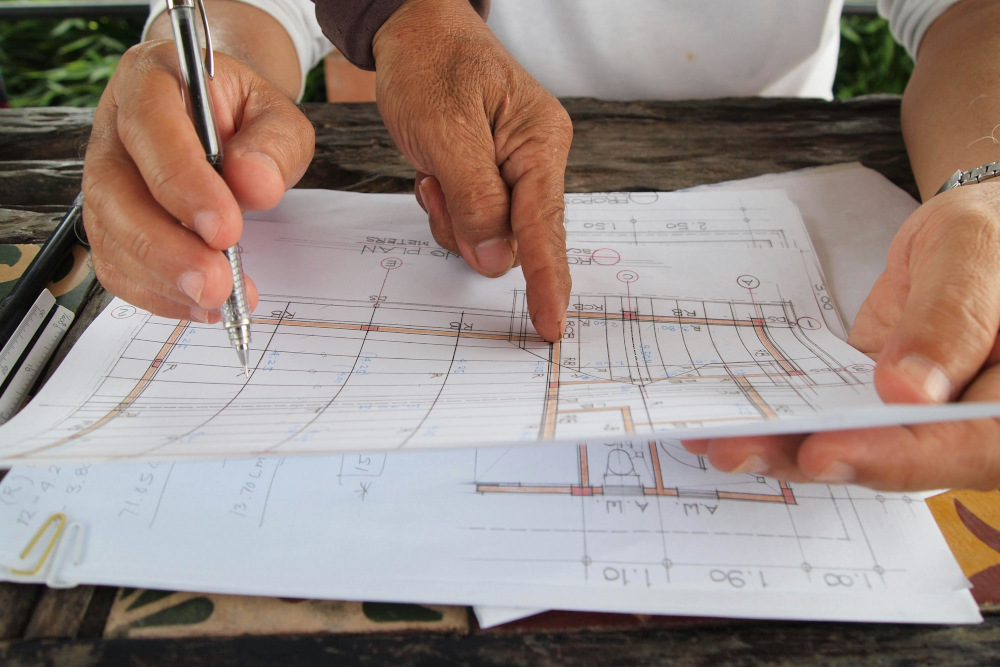
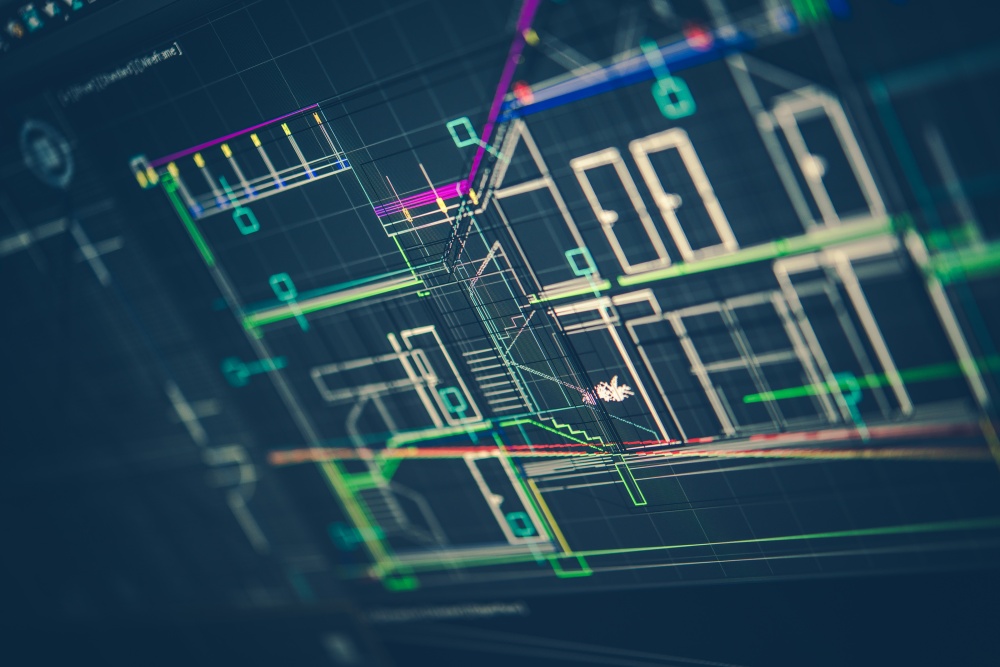

Before construction, construction teams must undergo a structural design process, which includes stages such as load identification and structural analysis, to ensure a building’s long-term safety, stability, and performance.
What is Structural Design in Civil Engineering?
The structural design of a building determines whether it can stand firm, protect its occupants, and remain durable without failure over time. As a key discipline in civil engineering, structural design focuses on ensuring that a building can withstand all forces acting upon it while remaining cost-effective, efficient, and practical to construct.
What Are the 7 Steps in Structural Design?
A safe and efficient building structure design follows a structured, phased process that engineers carefully execute and refine:
1. Load Identification and Evaluation
Engineers must identify and calculate all the forces that will act on the structure, such as:
- Dead Loads: Permanent weights such as walls, floors, roofs, and fixed installations
- Live Loads: Variable forces such as occupants, furniture, equipment, and vehicles
- Environmental Loads: Wind pressure, rain, temperature changes, and other external forces
For steel buildings and structures, the design must comply with Eurocodes SS EN 1993 and SS EN 1994, together with the relevant Singapore National Annexes, to ensure that structural calculations meet local regulatory standards.
2. Structural Analysis
Digital modelling tools such as Autodesk Revit, as recommended in the CORENET X Code of Practice, are used to create a detailed structural model that aligns with IFC-SG standards. Engineers use this model to simulate how the building will perform under various load conditions to assess structural behavior and verify that the design is both structurally sound and compliant with local building standards.
3. Component Sizing and Material Selection
After analysing the structure’s behavior, engineers determine the appropriate size, shape, and materials for key components, such as foundations, columns, beams, and slabs. The decision between construction materials, such as reinforced concrete, steel, or composite materials, is typically made based on strength requirements, durability, and cost-effectiveness.
4. System Integration
A building must function as a single, unified system rather than separate parts. Therefore, engineers are required to carefully organize the structure, creating a clear load path and ensuring forces are efficiently transferred from slabs to beams, beams to columns, and columns down to the foundation. This integration ensures the entire design of the building works cohesively and safely.
5. Detailed Element Specifications
Engineers translate calculations and models into technical models and specifications that guide construction on site. These documents include:
- Detailed reinforcement layouts
- Joint and connection designs
- Member dimensions, tolerances
- Fabrication requirements for elements such as beams, columns, slabs, and foundations
- Clear specifications for materials, grades, and construction methods
6. Refinement Through Iteration
The design is continuously reviewed and refined to optimise material usage, improve cost efficiency, and enhance constructability without compromising safety. During this stage, close coordination with architects and MEP engineers is essential to prevent clashes and ensure the structure integrates seamlessly with other building systems.
Compliance with Singapore’s building codes and regulatory requirements is also reassessed throughout each revision.
7. Post-Construction Oversight
Structural engineers conduct regular site inspections, supervise teams, and perform quality checks to verify that the structure is built according to the approved drawings and specifications. They will assess workmanship, material quality, and adherence to design intent, addressing any discrepancies that arise during construction.
A final inspection is conducted upon completion to confirm that the finished structure meets all safety, durability, and performance standards, ensuring the building is ready for long-term use.
Fundamental Principles of Structural Integrity
A structurally sound building must meet several key principles:
- Accurate Design and Functionality: Every component of a building, from foundations to beams and columns, must be precisely designed to ensure that the structure can withstand all forces acting upon it, like live loads and environmental forces.
- High-Quality Materials and Construction: Using the right materials and adhering to strict construction standards ensures durability and prevents structural failure over time.
- Collaboration Across Disciplines: Structural engineers must work closely with architects and MEP (Mechanical, Electrical, and Plumbing) teams to avoid conflicts between structural elements and building systems. Early coordination minimizes design clashes and prevents costly changes during construction.
- Longevity and Load Resistance: The ultimate goal is to create a building that can safely resist all applied loads throughout its intended lifespan without compromising safety or performance.

Leveraging Technology for Design Innovation
Building Information Modeling (BIM) has become integral in allowing construction teams to create detailed structural designs, simulate load effects, and identify potential conflicts early. Popular BIM software such as Autodesk Revit and Tekla enables engineers to create intelligent 3D models, manage design iterations, and coordinate seamlessly across multiple disciplines.
In Singapore, BIM goes beyond enhancing collaboration and cost efficiency. With the Building and Construction Authority (BCA) implementing CORENET X, construction teams are now required to submit BIM models for regulatory approval on the platform by October 2026. CORENET X provides a unified digital platform where teams can coordinate structural designs, manage project workflows, and submit building plans directly to relevant government agencies.
This integration strengthens structural analysis by ensuring that digital models are aligned with regulatory requirements, improving compliance with Singapore’s building codes. It also facilitates better communication among stakeholders, reduces design clashes, and ensures all project teams remain coordinated throughout the lifecycle of a project.
By leveraging BIM and CORENET X, construction teams can deliver projects that are accurate, compliant, cost-effective, and sustainable, setting a new standard for innovation in structural design.
Leverage BIM for Structural Analysis with BIMAGE Consulting
At BIMAGE Consulting, we help organisations and individuals optimise their BIM processes through comprehensive training and practical guidance. Our programs include BIM modelling courses, VDC training, and advanced workshops designed to enhance skills in structural analysis, clash detection, 4D/5D simulations, and collaborative project management.
With BIM training, we equip professionals with the latest insights and techniques, enabling them to create accurate and compliant 3D models, streamline workflows, and improve project efficiency.
For more BIM insights, check out how BIM helps with facility management and why a BIM execution plan is important.
